
It’s More Than Physical: The Connection Between Pain and Mental Wellbeing
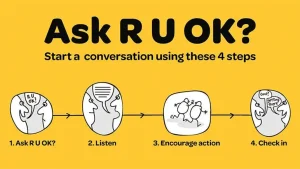
This R U OK? Day, on 10 September, we’re reminded to check in with the people around us — but it’s also a good opportunity to check in with ourselves.
When we think about pain, we often focus on what is happening physically — an aching back, a sore shoulder, a stiff neck or an injury that just won’t seem to settle. But pain is not only a physical experience.
Persistent or recurring pain can affect our mood, sleep, confidence, motivation and ability to do the things we enjoy. At the same time, stress, poor sleep and emotional wellbeing can influence how we experience pain.
The pain–wellbeing connection
When pain sticks around, it’s completely understandable to feel frustrated, worried or overwhelmed. You might start avoiding activities you enjoy because you’re afraid of making things worse, move less because you’re uncomfortable, or find yourself thinking constantly about your symptoms.
Over time, this can create a cycle:
Pain → less movement → reduced confidence → frustration or stress → increased sensitivity to pain → more pain.
This doesn’t mean that pain is “all in your head”. Your pain is real. It means that pain is influenced by many different factors, including what is happening in the body, how well you’re sleeping, your stress levels, your environment and your previous experiences with pain.
Movement can be part of the solution
When you’re in pain, stopping everything can sometimes feel like the safest option. But complete rest isn’t always the answer.
The right type and amount of movement can help maintain strength, confidence and independence, while gradually helping you return to the activities that matter to you.
This doesn’t mean pushing through pain or ignoring your symptoms. It means finding an appropriate starting point and progressing at a pace that works for you.
Don’t underestimate the importance of connection
Pain can also make us withdraw. We may skip social activities, stop exercising or avoid doing things we once enjoyed.
Staying connected with the people and activities that are important to you can be an important part of looking after your overall wellbeing.
And sometimes, the first step is simply talking about how you’re feeling.
So, are you okay?
This R U OK? Day, take a moment to check in with yourself.
Are you sleeping well?
Are you still doing the things you enjoy?
Has pain been affecting your mood or your everyday life?
Have you been putting off asking for help?
You don’t have to wait until things become overwhelming before reaching out.
If pain is affecting your daily life, a physiotherapist can help you understand what may be contributing to your symptoms and find an appropriate way to get you moving again.
And if you’re struggling with your mental wellbeing, talking to your GP or a mental health professional can be an important step.Looking after your physical health is part of looking after your overall wellbeing. This R U OK? Day, don’t just ask someone else — ask yourself: “Am I okay?”
The Mid-Year Body Check: 7 Signs Your Body Is Asking for Attention
The halfway point of the year is a great opportunity to check in with yourself. While many people review their finances, career goals or New Year’s resolutions, few stop to consider how their body is coping.
Over time, it’s easy to adapt to aches, stiffness or reduced mobility. What starts as a mild discomfort can gradually become your “new normal”, making it easy to ignore until it begins interfering with your work, hobbies or everyday activities.
The good news? Many musculoskeletal issues respond best when addressed early. Rather than waiting until you’re in significant pain, use this mid-year body check to see how you’re really feeling.
1. You Wake Up Stiff Most Mornings
Do your first few steps out of bed feel uncomfortable? Does your back, neck or hips loosen up only after you’ve been moving for a while?
Morning stiffness can be a normal part of ageing, but it can also indicate tight muscles, joint restrictions, arthritis or reduced mobility. If the stiffness lasts more than 30 minutes or is becoming more frequent, it’s worth having it assessed.
Simple mobility exercises, strength training and targeted treatment can often make a significant difference.
2. You’re Avoiding Activities You Used to Enjoy
Have you stopped gardening because your back hurts? Are you skipping walks because your knees ache? Perhaps you’re avoiding lifting your grandchildren or saying no to social sports because you’re worried about pain.
Changing your lifestyle to avoid discomfort may seem like a sensible solution, but over time it often leads to reduced strength, decreased fitness and even more pain.
The goal shouldn’t be to do less—it should be to help your body do more comfortably.
3. Small Aches Never Quite Go Away
Everyone experiences occasional soreness after exercise or a busy week. However, pain that lingers for weeks or keeps returning isn’t something you should simply accept.
Recurring headaches, shoulder tightness, lower back pain or sore knees are often signs that something isn’t functioning as well as it could.
Addressing these issues early may help prevent them from developing into more significant injuries.
4. Your Strength or Balance Isn’t What It Used to Be
Have you noticed you’re less steady on your feet? Do stairs feel harder than they did six months ago? Are everyday tasks becoming more physically demanding?
Loss of strength and balance isn’t inevitable, and it certainly isn’t something to ignore.
Regular strength and balance training can help reduce the risk of falls, improve confidence and make daily activities much easier, regardless of your age.
5. You’re Sitting More and Moving Less
Many Australians spend long hours sitting at a desk, driving or using electronic devices. While sitting itself isn’t harmful, prolonged periods without movement can contribute to stiffness, muscle weakness and poor posture.
If you’ve found yourself becoming less active this year, now is an excellent time to build more movement into your daily routine.
Even small changes—such as standing up every hour, taking regular walks or adding a couple of exercise sessions each week—can have lasting benefits.
6. Recovery Takes Longer Than It Used to
Do you find yourself sore for several days after gardening, exercising or even doing housework?
While recovery naturally changes with age, prolonged soreness can also suggest that your muscles aren’t coping well with the demands you’re placing on them.
Improving strength, flexibility and recovery strategies can help your body become more resilient and reduce the likelihood of injury.
7. You Keep Saying, “I’ll Get It Checked Next Week”
Perhaps this is the biggest sign of all.
Many people delay seeking treatment because they’re busy, hoping the problem will resolve on its own. Unfortunately, conditions that could have been managed relatively easily sometimes become more complex after months of compensation or altered movement.
Seeking advice doesn’t necessarily mean you’ll need ongoing treatment. Sometimes a thorough assessment, a personalised exercise program or a few treatment sessions are all that’s needed to get you back on track.
So, How Did You Go?
Ask yourself:
✓ Can I move comfortably without persistent pain?
✓ Am I able to enjoy my favourite activities?
✓ Do I feel strong and confident in my everyday movements?
✓ Am I recovering well after exercise or physical activity?
✓ Have I addressed small problems before they’ve become bigger ones?
If you answered “no” to several of these questions, your body may be telling you it’s time for a little extra attention.
How Can We Help?
At Realign Physio & Co, we believe movement is one of the best investments you can make in your long-term health.
Depending on your needs, our team can help through:
Physiotherapy to assess pain, injuries and movement limitations while developing a personalised treatment plan.
Exercise Physiology to improve strength, manage chronic health conditions and support safe, evidence-based exercise.
Personal Training to improve fitness and work towards your health and performance goals with individually tailored exercise programs.
Clinical Pilates to enhance posture, flexibility, core strength and movement control.
Remedial Massage to relieve muscle tension, improve circulation and support recovery.
Whether your goal is to reduce pain, improve performance or simply move more comfortably, it’s never too late to take the first step.
Make the Second Half of the Year Your Strongest Yet
Looking after your body isn’t about waiting until something goes wrong—it’s about keeping yourself moving well for the months and years ahead.
If you’ve recognised yourself in any of these signs, consider booking a health and movement assessment. A small investment in your health today could make a big difference to how you feel by the end of the year.
Staying on the Slopes: A Physiotherapists Guide to Skiing and Snowboarding Injury Prevention and Recovery

Though they share the same mountains, skiing and snowboarding place different demands on the body, leading to distinct injury patterns.
Skiing involves fixed feet on long levers (skis), which can create significant torque at the knee joint during a fall or a “catch edge” moment.
– MCL and ACL Sprains: The Medial Collateral Ligament (MCL) is the most frequently injured ligament in skiers, often due to the “snowplow” position or twisting falls. The Anterior Cruciate Ligament (ACL) is also at high risk, particularly during backward falls with the knees flexed.
– Skier’s Thumb: A common upper-extremity injury caused by falling onto an outstretched hand while holding a ski pole, which overstretches the Ulnar Collateral Ligament (UCL) of the thumb.
2. Snowboarding: Protecting the Upper Body
Snowboarders have both feet fixed to a single board, which protects the knees from twisting but increases the risk of falls onto the upper body.
– Wrist Fractures and Sprains: Falling forward or backward often leads to “foosh” (fall on an outstretched hand), making wrist injuries the most common snowboarding trauma.
– Shoulder Injuries: Dislocations and AC joint separations are frequent results of high-impact falls or collisions.
The Role of Physiotherapy in Prevention
Many people think of a physiotherapist as someone you see after an injury. However, “pre-habilitation” is one of the most effective ways to stay safe.
Neuromuscular and Balance Training:
Building Sport-Specific Strength:
– Eccentric Strength: Skiing and snowboarding require intense “eccentric” muscle work (where muscles lengthen under load), such as when you’re absorbing bumps or holding a turn. A physio can design a program focusing on slow, controlled squats and lunges to prepare your quads and glutes for these forces.
Managing Injuries: The Road Back to the Slopes
If you do sustain an injury, a structured rehabilitation plan is essential for a safe return to sport.
1. Early Management: Focus on reducing swelling and restoring range of motion. For knee sprains, this might involve isometric exercises to keep the muscles firing without stressing the joint.
2. Staged Progression: Rehabilitation moves from simple movements to complex, functional tasks.
3. Return-to-Sport Criteria: Your physio will use objective tests, such as hop tests and strength symmetry measures to ensure your injured limb is as strong as your healthy one before you head back to the black diamonds.
Actionable Tips for Your Next Trip
1. Warm Up: Never start your first run “cold.” Spend 10 minutes doing dynamic stretches and body weight movements.
2. Pre-Season Training: Start a strength and balance program at least 6-8 weeks before your first trip.
3. Listen to Your Body: Most injuries happen at the end of the day when fatigue sets in. Know when to call it a day!
Skiing and snowboarding are incredible ways to enjoy the winter, but they demand respect for the physical toll they take. By integrating physiotherapy principles – strength, balance, and smart recovery into your routine, you can maximise your time on the snow and minimise your time in the clinic.
Why Strength Matters More Than Stretching for Pain Relief
(And what your body really needs when you feel tight or stiff)
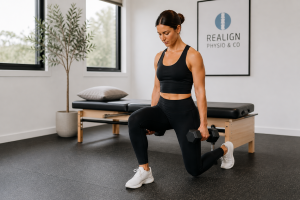
Many people come to us feeling tight, stiff, or uncomfortable — and the first instinct is often to stretch or book a massage.
While these can provide short-term relief, they don’t always address the underlying reason why your body feels that way.
In many cases, what your body actually needs is strength.
That feeling of “tightness” is often misunderstood.
Research has shown that the sensation of muscle tightness isn’t always caused by muscles being physically short. Instead, it can be related to how the nervous system perceives and protects an area.
When a joint or movement lacks stability or control, your body may respond by increasing muscle tension as a protective mechanism.
In other words, your body isn’t necessarily “too tight” — it may be trying to create stability where strength is lacking.
Stretching can temporarily reduce discomfort by:
- Increasing stretch tolerance (how much stretch your brain allows)
- Improving circulation to the area
- Providing a short-term decrease in muscle tone
However, studies suggest that these effects are often temporary, especially if the underlying issue — such as weakness or poor movement control — isn’t addressed.
That’s why many people find themselves repeatedly stretching the same areas (like the neck, shoulders, or hamstrings) without long-term change.
Strength training — when done correctly — helps address the root cause of many common aches and pains.
By improving strength and control, you can:
- Support joints more effectively
- Reduce overload on compensating muscles
- Improve movement efficiency
- Build resilience to daily activities
For example:
If your glutes and core aren’t doing their job well, your lower back may become overworked — leading to that familiar feeling of tightness. Strengthening the right muscles can reduce the need for your body to “protect” that area.
So, should you stop stretching?
Not at all.
Stretching can still play a role, especially when it helps you feel better or prepares your body for movement.
But if you’re relying on stretching alone and not seeing lasting results, it might be time to look at a more structured approach.
At Realign Physio & Co, we focus on combining:
- Targeted strength work
- Movement retraining
- Individualised exercise programs
This might include Clinical Pilates, Personal training sessions, Exercise Physiology, or guided rehab — depending on your needs.
The goal isn’t just to relieve symptoms, but to help your body function better so those symptoms are less likely to return.
If you constantly feel tight in the same areas, it might be worth asking a different question: “Does this area actually need more stretching — or does it need more support?”
Understanding that difference can be the key to long-term improvement.
👉 Book an Assessment
Not sure what your body needs?
Our team at Realign Physio & Co can assess your movement, identify the root cause, and guide you with a personalised plan.
Private Exercise Sessions: The Safest and Most Effective Way to Move When Your Body Needs More Care
Walking into a gym should feel like a positive step for your health — but for many people, it can feel confusing, intimidating, or even unsafe.
This is especially true if you’re:
- Living with back or neck pain
- Recovering from an injury
- Pregnant or returning after pregnancy
- Getting back into exercise after a long break
In these situations, exercise isn’t just about “working out” — it’s about moving correctly, safely, and with purpose.
That’s where private sessions at Realign Physio & Co can make all the difference.
Why Standard Gym Training Isn’t Always Enough
Most gyms are designed for people who are already confident and pain-free. When your body needs more attention, general programs or guesswork can lead to setbacks rather than progress.
Without proper guidance, it’s common to experience:
- Flare-ups of pain
- Poor movement patterns
- Slow progress or plateaus
- Frustration and loss of motivation
Exercise should help you feel better — not leave you second-guessing every movement.
What Makes Private Sessions Different
Private sessions are tailored to your body, your goals, and your current condition. Instead of following a generic plan, you receive:
- A clear and structured approach
- Professional guidance throughout each session
- Ongoing adjustments as your body improves
At Realign Physio & Co, we offer different types of private sessions depending on your needs:
Our Private Services
Private Pilates (1:1)
Ideal for improving strength, mobility, and control through low-impact, guided movement. Particularly beneficial for injury recovery, back and neck pain, and pre/postnatal care.
Exercise Physiology Sessions
Our most clinical option, designed for clients managing injuries or chronic conditions. These sessions are evidence-based and may be eligible for Medicare Care Plans or private health rebates.
Personal Training
A structured and supportive approach for those looking to build strength, improve fitness, and stay accountable with professional guidance.
Online Personalised Programs
A flexible option for those who prefer to train independently or can’t attend regularly. Programs are tailored by our team, giving you clear direction while allowing you to train at your own pace.
Supporting You Through Key Life Stages
Back Pain
Exercise plays a key role in recovery — but only when done correctly. With the right guidance, you can improve strength, movement patterns, and confidence without aggravating symptoms.
Pregnancy & Postnatal
As your body changes, your exercise approach should too. Our sessions are adapted to each stage, helping you stay active while managing common discomforts and supporting your overall wellbeing.
Returning to an Active Lifestyle
After time away from exercise — whether due to injury, a busy period, or loss of routine — getting started again can feel overwhelming. Private sessions provide a structured and supportive way to rebuild strength, regain confidence, and ease back into movement safely, at your own pace.
Start with a Complimentary Session
If you’ve been thinking about starting but weren’t sure where to begin, this is a simple way to take the first step.
We’re offering a complimentary 30-minute private session for new clients, available for:
- Private Pilates
- Personal Training
This session is an opportunity to:
- Understand your body and your goals
- Experience our approach
- Get clear guidance on your next steps
There’s no pressure — just a chance to start in a safe and supportive environment.
Spots are limited, as all sessions are 1:1 and available for a short time.
Simply reply to this newsletter or contact our team to book.
Parkinson’s Disease Physiotherapy: Improving Mobility and Daily LifePosture Myths: Why “Engage Your Glutes” or “Pull Your Shoulders Back” Isn’t the Answer
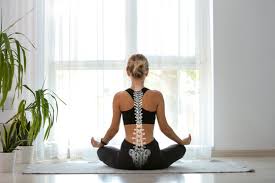
Posture is one of the most common things clients ask us about — and one of the most misunderstood.
We hear it all the time:
“I’m trying to walk by squeezing my glutes so they get stronger.”
“I’m trying to stand tall by forcing my shoulders back.”
“I stick my chest out so I don’t look slouched.”
These intentions come from a good place — wanting to move better and feel better.
But here’s the truth:
Good posture isn’t about holding one specific position.
And forcing your body into a shape doesn’t make it stronger.
In fact, these habits often create more tension, more pain, and more frustration.
Let’s break down why.
Posture isn’t a single pose you need to “hold” all day.
Your body is designed to move. Healthy posture is:
✔️ adaptable
✔️ efficient
✔️ comfortable
✔️ supported by strength and mobility
When you constantly brace or force a position — like squeezing your glutes while walking or yanking your shoulders back — your muscles get tired, stiff, and overworked.
This often leads to:
tight lower back
neck and shoulder tension
pinching at the front of the hips
reduced movement efficiency
feeling tired from “holding yourself up” all day
Your posture shouldn’t feel like hard work.
Glutes get stronger through progressive, intentional strengthening exercises, not through squeezing them while walking.
Walking with constant contraction:
reduces natural hip movement
tightens the lower back
can change your gait in unhelpful ways
makes the glutes less efficient over time
Your glutes should activate when you walk — but naturally, not forcefully.
Many people interpret this as:
➡️ chest out
➡️ ribs flared
➡️ lower back arched
➡️ shoulder blades pinched together
This position often looks upright, but it isn’t functional.
It compresses the spine, stiffens your movement, and can lead to shoulder stiffness or lower back pain.
A better cue?
Think “softly open through the chest and lengthen from your spine”, not “jam your shoulder back”.
Pushing the hips forward — even slightly — causes the lower back to overarch, tightening the lumbar muscles and shifting your weight unnaturally onto the front of your feet.
This can lead to:
lower back fatigue
hip flexor tension
poor balance mechanics
Again, it’s effortful, not efficient.
Good posture is dynamic. It changes as you move through your day.
It comes from a combination of:
Strong muscles support the body without strain — especially through the glutes, core, mid-back and deep stabilisers.
Muscles and joints need the freedom to move through their full range.
Understanding how your body feels, responds, and functions.
Your best posture is your next posture — meaning the more you move, the better you feel.
There’s no single position, cue, or trick that fixes posture instantly.
Instead, it’s about building a body that:
moves freely
shares load evenly
maintains strength where it matters
doesn’t rely on “holding” or “bracing” to stand upright
This is something we work on every day with clients through physio, Pilates, and strength training.
If You Want Better Posture, Start with Support
If you’re trying to improve your posture but feel stuck, stiff, or unsure, we’re here to help.
At Realign Physio & Co, we look at:
✔️ how you move
✔️ how your muscles are working
✔️ your habits at home and work
✔️ the balance between strength and mobility
From there, we build a personalised plan that actually works — without forcing awkward positions or squeezing muscles all day.
7 Ways Physiotherapy Can Help You Move Better and Feel Stronger
Realign Physio & Co – Gold Coast Physiotherapy
Physiotherapy is more than injury treatment — it’s one of the most effective ways to improve movement, reduce pain, and stay active for life. At Realign Physio & Co on the Gold Coast, our physiotherapists help people of all ages move with confidence, from athletes and weekend warriors to busy parents and older adults.
Below are seven powerful ways physiotherapy can support your health, strength, and long-term wellbeing.
1. Physiotherapy for Pain Relief and Faster Recovery
Searching for pain relief or a physio near me? Physiotherapy is one of the safest and most evidence-based ways to manage pain.
Whether you’re dealing with back pain, neck stiffness, shoulder issues, or joint discomfort, our physiotherapists use:
Hands-on manual therapy
Targeted rehabilitation exercises
Education on posture, load, and daily habits
This approach not only helps you recover faster but also reduces the chance of the same problem returning.
2. Improving Mobility, Flexibility & Joint Function
Stiffness or reduced range of motion can make daily tasks difficult. Physiotherapy helps restore movement through:
Stretching and mobility work
Joint and soft-tissue techniques
Movement retraining and posture correction
Improving mobility can make everyday activities easier and reduce the strain on other parts of your body — a key factor in long-term injury prevention.
3. Strengthening Weak Areas & Preventing Injuries
Strength is the foundation of healthy movement. A targeted physio program can help you:
Build joint stability
Correct muscle imbalances
Improve lifting, running, and daily movement mechanics
Reduce future injury risk
At Realign, we design personalised exercise programs that fit your goals — whether you’re returning to training, managing work demands, or building strength in your 40s and beyond.
4. Physiotherapy After Surgery (Post-Operative Rehab)
If you’ve had surgery, the right rehab plan matters. Our post-operative physiotherapy programs help you safely regain:
Strength
Flexibility
Coordination
Confidence in movement
From joint replacements to ACL repairs and tendon surgeries, we guide you through each stage with a structured, safe progression.
5. Sports Physiotherapy & Performance Enhancement
Athletes and active individuals benefit enormously from physiotherapy — not just for injury recovery, but for performance optimisation.
Our sports physiotherapy sessions include:
Biomechanical and movement assessments
Strength and conditioning programming
Sport-specific technique improvements
Injury prevention strategies
Whether you’re competing or just staying fit, physiotherapy helps you move efficiently and perform at your best.
6. Managing Chronic Pain & Long-Term Conditions
Conditions such as osteoarthritis, chronic lower-back pain, osteoporosis, or long-standing tendon issues respond extremely well to physio.
Physiotherapy can help by:
Reducing pain and stiffness
Improving functional capacity
Strengthening supporting muscles
Supporting independence and daily mobility
Many clients report improved quality of life within weeks of consistent treatment.
7. Supporting Whole-Body Health & Lifelong Wellbeing
Even without an injury, physiotherapy keeps your body functioning well. Regular physio check-ins help you:
Address small niggles before they worsen
Improve posture and movement habits
Build strength and stability
Reduce stress and tension
Stay active and prevent future problems
Think of physiotherapy as maintenance for your body — helping you stay strong, capable, and resilient as life changes.
Why Choose Realign Physio & Co?
Gold Coast Physiotherapists You Can Trust
At Realign Physio & Co, we take a personalised, hands-on approach to care. Every treatment plan is tailored to your body, your goals, and your lifestyle. Our team supports you through every stage — from assessment and treatment to long-term strength and wellbeing.
Ready to Move Better and Feel Stronger?
If you’re looking for physiotherapy on the Gold Coast, Realign Physio & Co is here to help.
Book your consultation today and start your journey toward better movement and better health.
Workplace Injuries and Physiotherapy

Workplace injuries can happen to anyone—whether you work at a desk, in a warehouse, or on a construction site. Fortunately, many of these injuries are preventable with the right knowledge and practices. And if an injury does occur, physiotherapy plays a key role in helping you recover and get back to work safely.
Common Work Injuries
Some of the most common workplace injuries include:
Sprains and strains from lifting or repetitive movement
Lower back pain from poor posture or heavy lifting
Neck and shoulder tension from prolonged desk work
Falls, slips, or trips
Joint injuries from overuse or awkward movement
How to Avoid Work Injuries
1. Safe Lifting Techniques
If your job involves lifting, remember these basics:
Bend your knees
Keep the load close to your body
Avoid twisting while lifting—turn your whole body instead
Ask for help with heavy or awkward loads
2. Safe Workplace Practices
Keep your work area clean and free of clutter
Use tools and equipment correctly and as instructed
Take regular breaks to reduce fatigue and overuse
Report any hazards immediately
3. Basic Ergonomic Tips
Even desk jobs come with risks. To support your body throughout the day:
Adjust your chair so your feet are flat on the floor
Keep your screen at eye level
Use a headset for phone calls if you’re on the phone often
Take short breaks to stand, stretch, and reset your posture
What to Do If You Have a Work Injury
If you’ve been injured at work, it’s important to:
Report the injury to your employer as soon as possible.
Seek medical advice—early assessment is key to recovery.
Make a WorkCover claim if you’re eligible, so you can access appropriate treatment and support.
How Physiotherapy Can Help
Physiotherapists are trained to assess and treat a wide range of work-related injuries. At Realign Physio & Co, we focus on:
Reducing pain and inflammation
Restoring strength, flexibility, and movement
Providing return-to-work programs tailored to your job role
Preventing re-injury with education and exercise-based rehab
We work closely with GPs, insurers, and case managers to support your recovery, ensuring you’re not just returning to work—but returning safely and confidently.
Physiotherapy for Parkinson’s Disease: Enhancing Mobility and Quality of Life

April is Parkinson’s Awareness Month, with World Parkinson’s Day on April 11th—a time to raise awareness and highlight the importance of early intervention and effective management strategies. Parkinson’s disease is a progressive neurological condition that affects movement, balance, and coordination. While there is no cure, physiotherapy plays a crucial role in managing symptoms and improving the overall quality of life for individuals with Parkinson’s.
How Does Physiotherapy Help?
Physiotherapy is essential in maintaining mobility, preventing falls, and enhancing daily function.
It focuses on:
- Improving Balance and Coordination – Parkinson’s can cause postural instability, making individuals more prone to falls. Physiotherapists use exercises that enhance balance and spatial awareness.
- Increasing Mobility and Flexibility – Stiffness and rigidity are common symptoms. Stretching and mobility exercises help maintain movement and reduce discomfort.
- Strength and Endurance – Muscle weakness can develop over time. Strength training and aerobic exercises boost endurance and overall physical function.
- Gait Re-training – Parkinson’s affects walking patterns, often leading to shuffling steps. Physiotherapy incorporates techniques to encourage longer strides and better posture.
- Cueing Strategies and Functional Training – Physiotherapists use external cues (like rhythmic auditory stimulation or visual markers) to help patients with movement initiation and coordination.
Common Physiotherapy Techniques for Parkinson’s
Several evidence-based approaches are effective for Parkinson’s patients:
PD Warrior – is an exercise-based rehabilitation program designed specifically for people with Parkinson’s disease. It focuses on neuroplasticity principles to slow disease progression and improve function.
Balance and Resistance Training – Incorporates stability exercises, core strengthening, and resistance workouts to enhance physical capabilities.
Functional Task Practice – Exercises that mimic daily activities, such as getting up from a chair or walking on different surfaces, to improve independence.
When to See a Physiotherapist?
It’s never too early to start physiotherapy. Early intervention can help slow the progression of movement difficulties and allow individuals to maintain independence for longer. If you or a loved one has Parkinson’s and is experiencing stiffness, balance issues, or difficulty walking, consulting a physiotherapist can provide tailored strategies to manage symptoms effectively.
Final Thoughts
Physiotherapy is a key component of Parkinson’s care, offering tools to improve mobility, strength, and confidence in movement. With the right exercises and support, individuals can stay active and maintain their quality of life.
At Realign Physio & Co, we offer personalised physiotherapy sessions to support your journey with Parkinson’s. We are also planning to introduce group classes focused on Parkinson’s and other neurological conditions. Ask our team for more information.

Setting Goals for Every Stage of Life
The start of a new year is the perfect opportunity to reflect and set goals. But as we journey through life, our goals naturally evolve, shaped by the priorities, challenges, and opportunities of each stage. Whether you’re in your 20s, 40s, or beyond, goal-setting can keep you focused, motivated, and aligned with your values.
In Your 20s: Exploring and Growing
Your 20s are a time for discovery and exploration. Goals at this stage might include building a career foundation, learning new skills, traveling, or establishing healthy habits. Be bold and open to change, as this is a time to experiment and figure out what truly matters to you.
In Your 30s: Laying Strong Foundations
As life becomes more settled, the 30s are often about establishing stability and working toward long-term goals. Whether it’s advancing in your career, starting a family, or focusing on financial security, this phase is about creating a solid base for the future. Health and fitness goals also take center stage, as investing in your well-being now pays off later.
In Your 40s: Refining and Rebalancing
By your 40s, you likely have a clearer sense of who you are and what you value. This is a time to refine your goals, focusing on meaningful achievements like nurturing relationships, pursuing hobbies, or giving back to your community. Maintaining physical and mental health is also crucial to ensure longevity and vitality.
In Your 50s and Beyond: Focusing on Fulfillment
Later in life, goals often shift toward personal fulfillment and leaving a legacy. Whether it’s spending quality time with loved ones, traveling, mentoring others, or staying active, this stage is about embracing what brings you the most joy and purpose.
Goal-Setting Tips for Every Stage
- Be Flexible: Life changes, and your goals should adapt along the way.
- Prioritise Health: Physical and mental well-being is a foundation for success at any age.
- Celebrate Progress: Recognise even the small wins to stay motivated.
- Stay True to Your Values: Align goals with what genuinely matters to you.
Final Thoughts
Setting goals isn’t just about checking items off a list; it’s about living intentionally and moving forward with purpose. No matter your stage of life, thoughtful goals can help you achieve balance, growth, and fulfillment.
At Realign Physio & Co, we’re here to support you every step of the way. Whether you’re starting a new fitness routine, managing health challenges, or simply looking to feel your best, our team is ready to help you make 2025 your best year yet!
Recent Comments