
7 Ways Physiotherapy Can Help You Move Better and Feel Stronger
Realign Physio & Co – Gold Coast Physiotherapy
Physiotherapy is more than injury treatment — it’s one of the most effective ways to improve movement, reduce pain, and stay active for life. At Realign Physio & Co on the Gold Coast, our physiotherapists help people of all ages move with confidence, from athletes and weekend warriors to busy parents and older adults.
Below are seven powerful ways physiotherapy can support your health, strength, and long-term wellbeing.
1. Physiotherapy for Pain Relief and Faster Recovery
Searching for pain relief or a physio near me? Physiotherapy is one of the safest and most evidence-based ways to manage pain.
Whether you’re dealing with back pain, neck stiffness, shoulder issues, or joint discomfort, our physiotherapists use:
Hands-on manual therapy
Targeted rehabilitation exercises
Education on posture, load, and daily habits
This approach not only helps you recover faster but also reduces the chance of the same problem returning.
2. Improving Mobility, Flexibility & Joint Function
Stiffness or reduced range of motion can make daily tasks difficult. Physiotherapy helps restore movement through:
Stretching and mobility work
Joint and soft-tissue techniques
Movement retraining and posture correction
Improving mobility can make everyday activities easier and reduce the strain on other parts of your body — a key factor in long-term injury prevention.
3. Strengthening Weak Areas & Preventing Injuries
Strength is the foundation of healthy movement. A targeted physio program can help you:
Build joint stability
Correct muscle imbalances
Improve lifting, running, and daily movement mechanics
Reduce future injury risk
At Realign, we design personalised exercise programs that fit your goals — whether you’re returning to training, managing work demands, or building strength in your 40s and beyond.
4. Physiotherapy After Surgery (Post-Operative Rehab)
If you’ve had surgery, the right rehab plan matters. Our post-operative physiotherapy programs help you safely regain:
Strength
Flexibility
Coordination
Confidence in movement
From joint replacements to ACL repairs and tendon surgeries, we guide you through each stage with a structured, safe progression.
5. Sports Physiotherapy & Performance Enhancement
Athletes and active individuals benefit enormously from physiotherapy — not just for injury recovery, but for performance optimisation.
Our sports physiotherapy sessions include:
Biomechanical and movement assessments
Strength and conditioning programming
Sport-specific technique improvements
Injury prevention strategies
Whether you’re competing or just staying fit, physiotherapy helps you move efficiently and perform at your best.
6. Managing Chronic Pain & Long-Term Conditions
Conditions such as osteoarthritis, chronic lower-back pain, osteoporosis, or long-standing tendon issues respond extremely well to physio.
Physiotherapy can help by:
Reducing pain and stiffness
Improving functional capacity
Strengthening supporting muscles
Supporting independence and daily mobility
Many clients report improved quality of life within weeks of consistent treatment.
7. Supporting Whole-Body Health & Lifelong Wellbeing
Even without an injury, physiotherapy keeps your body functioning well. Regular physio check-ins help you:
Address small niggles before they worsen
Improve posture and movement habits
Build strength and stability
Reduce stress and tension
Stay active and prevent future problems
Think of physiotherapy as maintenance for your body — helping you stay strong, capable, and resilient as life changes.
Why Choose Realign Physio & Co?
Gold Coast Physiotherapists You Can Trust
At Realign Physio & Co, we take a personalised, hands-on approach to care. Every treatment plan is tailored to your body, your goals, and your lifestyle. Our team supports you through every stage — from assessment and treatment to long-term strength and wellbeing.
Ready to Move Better and Feel Stronger?
If you’re looking for physiotherapy on the Gold Coast, Realign Physio & Co is here to help.
Book your consultation today and start your journey toward better movement and better health.

Blog Post: Breath, Stress & Movement: How Physio Can Help the Nervous System Reset
By Dr. Antti Rintanen, MD, author of The Internet Doctor
When most people think of physiotherapy, they picture exercises for strength or hands-on treatment for injuries. But what often gets overlooked is how deeply our nervous system influences recovery, mobility, and overall well-being. Stress, posture, and breath all tie into how the body moves—and how it heals.
Physiotherapists are uniquely positioned to guide patients not only through physical rehabilitation but also through simple tools that help the nervous system reset. This reset is what allows muscles to relax, pain to ease, and movement to feel natural again.
The Stress–Body Connection
Stress is not just “in the mind.” When we experience stress—whether it’s rushing to meet deadlines, recovering from injury, or coping with life events—the sympathetic nervous system (the body’s “fight or flight” mode) becomes dominant.
Signs of this include:
Elevated heart rate
Shallow, rapid breathing
Increased muscle tension
Difficulty focusing or sleeping
In short bursts, this stress response helps us perform. But when it remains switched on for too long, the body struggles to heal. Muscles stay tight, breathing remains inefficient, and mobility becomes restricted.
This is why physiotherapy often integrates more than exercise. Resetting the nervous system is a crucial part of helping the body adapt and recover.
Breath as a Reset Tool
One of the simplest ways to influence the nervous system is through breath. Shallow chest breathing tells the body to stay in “alert mode,” while slow, diaphragmatic breathing signals safety, shifting the body back toward balance through the parasympathetic nervous system (rest and recovery).
A common technique is box breathing:
Inhale through the nose for 4 seconds
Hold for 4 seconds
Exhale through the nose for 4 seconds
Hold again for 4 seconds
Repeating this for just 1–2 minutes can reduce heart rate, ease muscle tension, and help patients feel calmer—ideal before or after a physiotherapy session.
Balban et al. (2023) directly supports lower physiological arousal and improved mood with brief breath practices.¹ For patients in rehab, this calm state supports better exercise performance and more efficient recovery.
Movement and the Nervous System
Breathing is one part of the reset, but movement itself also communicates directly with the nervous system. When patients move gently—through stretching, mobility drills, or guided physiotherapy exercises—the body receives signals that movement is safe. This reassurance is particularly powerful for those managing pain, where fear of movement can sometimes worsen symptoms.
Gentle mobility drills, such as spinal rotations or hip openers, help reduce stiffness while sending calming signals to the nervous system. Postural resets—standing tall, rolling the shoulders back, and aligning the head—go a step further by supporting attentional control² and promoting more efficient breathing mechanics. Even light forms of active recovery, like walking or yoga-inspired flows, help lower sympathetic activity and support healthy circulation.
By alternating periods of effort with deliberate recovery, physiotherapists aren’t just training muscles and joints. They are also guiding the nervous system itself to become more adaptable, resilient, and ready to support long-term mobility.
How Stress Affects Recovery & Mobility
When the nervous system is stressed, recovery slows down. Clinical signs like fatigue, irritability, and poor sleep often coincide with autonomic imbalance, not just muscular fatigue.³
For patients in physiotherapy, this may look like:
Exercises feeling heavier than expected
Longer recovery times after sessions
More frequent flare-ups of pain
Trouble concentrating on movement cues
Helping the nervous system reset means that physical recovery can proceed more smoothly. It’s the missing link many patients don’t realize influences their mobility and resilience.
Practical Tools in a Physio Setting
Physiotherapists can integrate nervous system regulation into everyday care without adding extra complexity. Something as simple as two minutes of guided breathing at the beginning or end of a session can make a difference, priming the nervous system for exercise or helping it wind down once the work is complete.
Posture awareness is another powerful tool. By teaching patients to regularly check in with their alignment—rolling the shoulders back, lifting the chest, and allowing the head to sit naturally over the spine—physiotherapists can improve oxygen intake and reduce tension.² When this practice becomes part of daily work or study breaks, it helps prevent stress from accumulating unnoticed.
Movement, too, plays a key role. Encouraging short activity breaks every 30 to 60 minutes helps offset sedentary time and supports musculoskeletal and overall health.⁴ These breaks don’t need to be complex—standing, stretching, or walking for a few moments is often enough.
For those managing pain, relaxation strategies such as mindful breathing or guided imagery can restore balance to the nervous system. Research shows that techniques like these enhance parasympathetic reactivation after periods of high effort, which is essential for recovery.⁵ Beyond these hands-on practices, physiotherapists can also provide valuable education. Helping patients connect the dots between stress, posture, breath, and pain empowers them to self-manage outside the clinic and reinforces the work done during therapy sessions.
For Patients: How to Apply This at Home
Here are simple ways patients can carry physiotherapy principles into daily life:
Morning reset: Begin the day with 1–2 minutes of box breathing before rushing into tasks.
Desk posture check: Every hour, roll shoulders back and align the head over the spine.
Evening wind-down: Replace screens with gentle stretching and slow breathing before bed.
Micro-movement: Take a short walk or stretch break between long periods of sitting or study.
These small habits reinforce what is practiced in the clinic and create a feedback loop: the calmer the nervous system, the more effective physiotherapy becomes.
Why This Matters for Long-Term Health
Integrating breath, stress management, and movement into physiotherapy is more than just an extra benefit—it’s a core element of sustainable recovery. Patients who learn to regulate their nervous system often find it easier to stick with their exercise programs, since they feel calmer and more in control. At the same time, these practices support mental health by reducing tension and encouraging a greater sense of balance during rehabilitation.
There is also a protective effect: by improving body awareness and teaching patients how to notice early signs of stress or poor posture, physiotherapists can help reduce the risk of re-injury. Over time, this builds a form of resilience that extends well beyond the treatment room. For patients, the result is faster recovery, less frustration, and greater confidence in their own bodies. For physiotherapists, it means guiding people toward outcomes that last, not just quick fixes.
The Takeaway
Physiotherapy is not only about fixing joints and muscles—it’s about teaching the whole body to adapt and reset. Breath, stress, and movement are three powerful levers that influence the nervous system.
By weaving nervous system resets into care, physiotherapists help patients reduce pain, recover faster, and build resilience. And with small, practical habits, patients can carry these benefits into daily life, long after their sessions end. About the Author: Dr. Antti Rintanen is a medical doctor and author of The Internet Doctor. He writes about posture, nervous system recovery, and micro-habits that boost resilience and long-term performance.
References: Balban MY, Bosworth A, Figueroa C, et al. Brief structured respiration practices enhance mood and reduce physiological arousal. Cell Rep Med. 2023;4(2):100895. https://www.ncbi.nlm.nih.gov/
Surf Smart: Common Injuries & How to Prevent Them
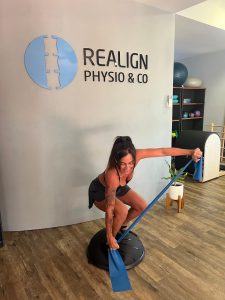
Surfing is an incredible way to stay fit, enjoy the outdoors and connect with the ocean — but like any sport, it can place unique demands on your body. At Realign Physio & Co, we’ve been seeing more surfers lately (no surprise with so many great breaks here on the Gold Coast!) experiencing similar aches, pains and injuries.
The good news? With the right preparation and care, most of these issues can be prevented or managed.
Most Common Surfing-Related Injuries🏄
1. Shoulder Pain
Paddling puts a lot of repetitive stress on the shoulders, especially the rotator cuff muscles. This can lead to overuse injuries like tendinopathy or impingement.
Prevention Tip: Strengthen your rotator cuff and upper back muscles, and make sure you warm up before you paddle out.
2. Lower Back Strain
Arching the spine while paddling can irritate the lower back or cause muscle strains. Surfers often describe stiffness or soreness after longer sessions.
Prevention Tip: Improve your core stability and flexibility through exercises like Pilates or targeted physiotherapy programs.
3. Neck Tightness
Keeping your head lifted for long periods can strain the neck muscles and joints.
Prevention Tip: Include regular neck mobility and stretching exercises in your routine. Short breaks to rest your neck between sets can also help.
4. Knee & Ankle Injuries
Rapid pop-ups, twists and landings in unstable positions can stress the knees and ankles, sometimes resulting in sprains or ligament strains.
Prevention Tip: Work on balance, proprioception and leg strength off the board — single-leg exercises and wobble board drills are great options.
How Physiotherapy Can Help
Physiotherapists understand the specific demands of surfing. Whether you’re recovering from an injury or trying to prevent one, a tailored program can:
Improve your paddling and pop-up mechanics
Strengthen key muscle groups
Enhance flexibility and balance
Reduce pain and speed up recovery
At Realign Physio & Co, we offer personalised rehab and conditioning plans for surfers of all levels — plus Pilates and exercise physiology sessions to build resilience and keep you in the water longer.
Takeaway Message
Surfing is tough on the body, but it doesn’t have to lead to pain. By investing a little time into injury prevention and proper recovery, you can enjoy more sessions and fewer setbacks — whether you’re catching waves on the Gold Coast or beyond.
Need help with a surf-related ache or injury? Book an appointment with our team today and get back to doing what you love.
What is a Rotator Cuff Tear — and Do You Really Need Surgery?
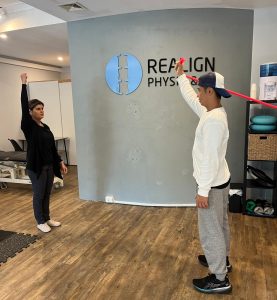
The rotator cuff is a group of four muscles that connect your shoulder blade (scapula) to your upper arm bone (humerus). These muscles are:
Subscapularis – located on the front of the shoulder blade
Supraspinatus – sits on top of the shoulder blade
Infraspinatus – found on the back of the shoulder blade
Teres minor – also on the back of the shoulder blade
While each muscle helps with specific movements like lifting your arm, rotating it inwards or outwards, their most important role is dynamic stability—keeping the shoulder joint controlled and supported during all movements.
Common Causes of a Weak or Painful Shoulder
Shoulder pain generally falls into three broad categories:
Stiff Shoulder – for example, frozen shoulder (adhesive capsulitis)
Unstable Shoulder – usually following dislocations or subluxations
Weak & Painful Shoulder – including conditions such as:
Shoulder impingement
Subacromial pain syndrome
Rotator cuff tendinitis, tendinosis, or tendinopathy
Rotator cuff tears
Many people assume that imaging, injections, or surgery are required to treat these issues. In reality, exercise therapy is usually the first-line treatment. Shoulder pain often relates more to current tissue sensitivity from activity changes or overall health factors than to structural damage like a new tear or severe inflammation.
For instance, rotator cuff tears are surprisingly common in people without any symptoms, and their prevalence increases with age. Research shows that these tears don’t always affect function or cause pain:
Surgery is not always necessary. Evidence suggests that non-operative management is as effective as surgery for many rotator cuff tears, including both partial and full-thickness tears. In fact, nearly half of full-thickness tears can be asymptomatic.
Understanding Pain and Recovery
Rotator cuff tears are often thought to be like a rope that’s been cut, but a better analogy is a small hole in a piece of cloth—the cloth (aka the shoulder) can still function well despite the tear.
This means that experiencing some discomfort during rehab is normal and safe, as long as it’s manageable and progressively improves over time. Symptoms are usually linked to the shoulder being sensitive to certain positions or movements, not irreparable damage.
The goals of rehab are straightforward:
Temporarily modify activities that aggravate the shoulder
Improve overall health through lifestyle and exercise
Address deficits in strength, range of motion, and confidence with a manageable and progressive exercise program
With the right approach, most people can safely return to their normal activities, improve function, and reduce pain—all without immediately resorting to surgery.
If you have been told you have a rotator cuff tear and would like to know what you can do to help, book in for an appointment at Realign Physio & Co. Our team can guide you through tailored exercises, pain management strategies, and support your recovery.
How Exercise Physiology Helps with Managing Chronic Conditions

Living with a chronic condition can impact far more than just your physical health. Whether you’re managing ongoing back pain, arthritis, or recovering from injury, it can affect your confidence, mobility, performance and overall quality of life.
Exercise Physiology offers a safe, personalised way to improve movement, reduce symptoms, and support long-term function — even when other treatments haven’t been enough on their own.
What Is Exercise Physiology?
Exercise Physiologists are university-qualified allied health professionals who specialise in clinical movement therapy. Their role is to prescribe exercise based on a person’s medical history, functional capacity, and long-term goals.
Exercise Physiology isn’t about fitness for the sake of it. It’s about:
- Understanding how your body responds to movement
- Improving strength, stability, and mobility
- Reducing symptoms like pain, stiffness, or fatigue
- Helping you stay active and independent for longer
Musculoskeletal Focus: Building Strength Around Pain and Injury
At Realign Physio & Co, we most commonly support clients with chronic or complex musculoskeletal conditions. These include:
- Returning to Sport After Injury or Surgery: We support safe, progressive return to sport following injury or surgery. Our tailored programs rebuild strength, restore confidence, and reduce re-injury risk — helping you get back to what you love.
- Persistent back or neck pain
Improving spinal control, strength, and endurance can reduce discomfort and improve your ability to handle everyday tasks. - Arthritis and joint degeneration
Exercise helps preserve joint range of motion, reduce stiffness, and support the muscles that stabilise affected areas. - Tendon injuries (e.g. Achilles, gluteal, shoulder)
Progressive loading is a proven strategy for helping tendons heal and regain their strength and capacity. - Joint hypermobility and instability
Targeted movement can improve control, reduce strain on joints, and help prevent injury through better support and coordination.
Beyond the Muscles and Joints
While musculoskeletal conditions are common, Exercise Physiology also plays a key role in managing non-musculoskeletal chronic conditions, such as:
- Type 2 diabetes – Exercise improves insulin sensitivity and supports blood glucose management.
- Chronic fatigue or fibromyalgia – Gentle, structured movement helps reduce flare-ups and improve energy regulation.
- Mental health conditions – Regular movement is shown to improve mood, sleep, and stress levels, especially when tailored to the individual.
- Neurological conditions – For those with conditions like MS or Parkinson’s, exercise can help preserve motor control, strength, and mobility.
An Exercise Physiologist is trained to modify programs for complex health needs, ensuring movement is safe, manageable, and supportive of long-term wellbeing.
Why Not Just Go to the Gym?
The gym can be helpful for many people, but for those managing chronic pain, fatigue, or injury, it’s not always the right place to start. It’s common to feel unsure about what’s safe, which exercises to avoid, or how to pace yourself — and without guidance, this can lead to flare-ups, frustration, or giving up altogether.
An Exercise Physiologist takes the guesswork out.
They help you:
- Understand your limits — and how to work within them
- Build strength and function progressively
- Learn how to move without aggravating symptoms
- Regain trust in your body, at your own pace
Whether you’re just starting out or returning to movement after a long break, an AEP ensures your program is safe, individualised, and clinically appropriate.
The Goal: Movement That Works for You
Many people living with chronic conditions avoid exercise because they fear doing more harm than good — especially if previous attempts led to setbacks. But the right movement, introduced gradually and with support, can help you feel stronger, more capable, and more in control.
At Realign Physio & Co., we work closely with clients to create sustainable programs that fit your body and your lifestyle. Whether you’re recovering from injury, living with persistent pain, or managing a long-term condition, Exercise Physiology can help guide your next step forward.
Why Do Injuries Increase in Cold Weather?

As the cooler months settle in, we often see a spike in injuries—especially muscle strains, joint pain, and flare-ups of old issues. But why does this happen? And more importantly, how can you protect yourself through winter?
Stiff Joints and Tight Muscles
When temperatures drop, your muscles naturally tighten and lose some of their elasticity. Cold weather also causes blood vessels to constrict, reducing circulation. This can limit mobility and make your muscles and joints feel stiff or sluggish—creating a higher risk of strains, sprains, or tendon injuries, especially if you jump into exercise without warming up properly.
Old Injuries Can Resurface
Many people notice previous injuries or chronic conditions—like arthritis, lower back pain, or knee problems—flare up in winter. Cooler temperatures can affect joint fluid viscosity and muscle tension, making pre-existing problems more noticeable or even painful.
Common Winter Injuries
At Realign Physio & Co, we often see:
Hamstring and calf strains (especially in runners and gym-goers)
Lower back pain from poor lifting technique or sudden movements
Slips and falls, particularly on wet or icy surfaces
Neck and shoulder tightness from poor posture or hunching to stay warm
How to Stay Injury-Free This Winter
The good news? A few smart habits can make all the difference.
Warm up properly. Take at least 5–10 minutes to get the body moving before any exercise. Think dynamic stretches or light cardio to raise your core temperature.
Stay mobile. Even on rest days, light movement like walking, Pilates, or mobility exercises can help keep stiffness at bay.
Dress in layers. Keeping your muscles warm helps maintain flexibility and reduces injury risk—especially for early-morning sessions.
Listen to your body. If something feels “off,” don’t push through it. It’s easier to manage a niggle than a full-blown injury.
Book in for a check-up. Winter is a great time to work on strength, mobility, and recovery with your physio, exercise physiologist, or massage therapist.
Need Support This Winter?
Whether you’re managing an old injury or want to keep your body strong and pain-free through the colder months, our team is here to help. We offer physiotherapy, exercise-based rehab, massage, and tailored Pilates to support you all year round.
Spondy-What? Untangling Common Spine Conditions

Back pain can be confusing, especially when complicated terms are thrown around. Ever been told you’ve got spondylolysis, spondylolisthesis, spondylitis, or spondylosis—and had no idea which one meant what? You’re not alone. These tongue-twisters sound similar but each describes a different issue in the spine. Here’s a clear breakdown of what they mean, how they show up, and what might help.
Spondylolysis
Spondylolysis is a type of stress fracture that occurs in a small part of the vertebra near the back of the spine called the pars interarticularis. It most often affects teenagers or young adults involved in sports that include repeated spinal movements like bending backward or twisting—such as gymnastics, cricket, or diving.
While not always painful, some people notice an ache or discomfort in the lower back, especially during activity. Diagnosis involves a clinical assessment and may include imaging like an X-ray or MRI if needed.
If left unaddressed, spondylolysis can sometimes progress to spondylolisthesis, where one vertebra begins to shift forward over another—so early identification and management can be important.
Spondylolisthesis
Spondylolisthesis happens when one vertebra slips slightly forward compared to the one below it. In younger people, this often follows a stress fracture like spondylolysis. In older adults, it may develop gradually due to natural changes in the spine’s structure over time.
Some people feel no symptoms at all, while others experience lower back pain, tightness through the legs, or occasional tingling or heaviness. Clinical examination and imaging help determine how much movement has occurred and whether nerves are affected.
Spondylitis
Spondylitis refers to inflammation of the spine. The most well-known type is ankylosing spondylitis, which often begins in early adulthood and causes stiffness in the lower back or hips—especially after rest or in the early morning.
Diagnosis is based on your clinical history and may involve blood tests or MRI to look for signs of inflammation. While it’s a long-term condition, early diagnosis and regular movement can make a big difference in how it progresses and how you feel day to day.
Spondylosis
Spondylosis describes age-related changes in the spine, similar to the natural wear and tear that can occur in other joints. The discs between the vertebrae may lose some of their cushioning over time, and small bony changes or joint stiffness may develop.
It’s extremely common—about one in three people may have signs of spinal osteoarthritis on imaging without any symptoms at all. When symptoms do occur, they might include stiffness in the morning, aching after long periods of sitting or standing, or occasional nerve irritation.
Importantly, the severity of changes seen on imaging doesn’t always match how a person feels. Many people with significant changes remain active and mobile, and symptoms are often manageable with the right supports in place.
What Can Help?
If you’re dealing with one of these conditions—or simply wondering if your symptoms might be related—conservative management is often a good place to start.
Physiotherapy: Assess movement, strength, and posture to create a plan that fits your goals and lifestyle.
Exercise physiology: Build long-term strength and conditioning, either individually or in small group classes.
Massage therapy: Help relieve muscle tension contributing to discomfort.
: Improve spinal stability and mobility with programs tailored to your needs, which can be highly effective in managing back pain and enhancing function.
Have a look at or ask us about our individual and small group Pilates sessions to see if they might be right for you.
If you’re unsure where to begin, a physiotherapy assessment can help guide your next steps and connect you to the right supports.
Workplace Injuries and Physiotherapy

Workplace injuries can happen to anyone—whether you work at a desk, in a warehouse, or on a construction site. Fortunately, many of these injuries are preventable with the right knowledge and practices. And if an injury does occur, physiotherapy plays a key role in helping you recover and get back to work safely.
Common Work Injuries
Some of the most common workplace injuries include:
Sprains and strains from lifting or repetitive movement
Lower back pain from poor posture or heavy lifting
Neck and shoulder tension from prolonged desk work
Falls, slips, or trips
Joint injuries from overuse or awkward movement
How to Avoid Work Injuries
1. Safe Lifting Techniques
If your job involves lifting, remember these basics:
Bend your knees
Keep the load close to your body
Avoid twisting while lifting—turn your whole body instead
Ask for help with heavy or awkward loads
2. Safe Workplace Practices
Keep your work area clean and free of clutter
Use tools and equipment correctly and as instructed
Take regular breaks to reduce fatigue and overuse
Report any hazards immediately
3. Basic Ergonomic Tips
Even desk jobs come with risks. To support your body throughout the day:
Adjust your chair so your feet are flat on the floor
Keep your screen at eye level
Use a headset for phone calls if you’re on the phone often
Take short breaks to stand, stretch, and reset your posture
What to Do If You Have a Work Injury
If you’ve been injured at work, it’s important to:
Report the injury to your employer as soon as possible.
Seek medical advice—early assessment is key to recovery.
Make a WorkCover claim if you’re eligible, so you can access appropriate treatment and support.
How Physiotherapy Can Help
Physiotherapists are trained to assess and treat a wide range of work-related injuries. At Realign Physio & Co, we focus on:
Reducing pain and inflammation
Restoring strength, flexibility, and movement
Providing return-to-work programs tailored to your job role
Preventing re-injury with education and exercise-based rehab
We work closely with GPs, insurers, and case managers to support your recovery, ensuring you’re not just returning to work—but returning safely and confidently.
Physiotherapy for Parkinson’s Disease: Enhancing Mobility and Quality of Life

April is Parkinson’s Awareness Month, with World Parkinson’s Day on April 11th—a time to raise awareness and highlight the importance of early intervention and effective management strategies. Parkinson’s disease is a progressive neurological condition that affects movement, balance, and coordination. While there is no cure, physiotherapy plays a crucial role in managing symptoms and improving the overall quality of life for individuals with Parkinson’s.
How Does Physiotherapy Help?
Physiotherapy is essential in maintaining mobility, preventing falls, and enhancing daily function.
It focuses on:
- Improving Balance and Coordination – Parkinson’s can cause postural instability, making individuals more prone to falls. Physiotherapists use exercises that enhance balance and spatial awareness.
- Increasing Mobility and Flexibility – Stiffness and rigidity are common symptoms. Stretching and mobility exercises help maintain movement and reduce discomfort.
- Strength and Endurance – Muscle weakness can develop over time. Strength training and aerobic exercises boost endurance and overall physical function.
- Gait Re-training – Parkinson’s affects walking patterns, often leading to shuffling steps. Physiotherapy incorporates techniques to encourage longer strides and better posture.
- Cueing Strategies and Functional Training – Physiotherapists use external cues (like rhythmic auditory stimulation or visual markers) to help patients with movement initiation and coordination.
Common Physiotherapy Techniques for Parkinson’s
Several evidence-based approaches are effective for Parkinson’s patients:
PD Warrior – is an exercise-based rehabilitation program designed specifically for people with Parkinson’s disease. It focuses on neuroplasticity principles to slow disease progression and improve function.
Balance and Resistance Training – Incorporates stability exercises, core strengthening, and resistance workouts to enhance physical capabilities.
Functional Task Practice – Exercises that mimic daily activities, such as getting up from a chair or walking on different surfaces, to improve independence.
When to See a Physiotherapist?
It’s never too early to start physiotherapy. Early intervention can help slow the progression of movement difficulties and allow individuals to maintain independence for longer. If you or a loved one has Parkinson’s and is experiencing stiffness, balance issues, or difficulty walking, consulting a physiotherapist can provide tailored strategies to manage symptoms effectively.
Final Thoughts
Physiotherapy is a key component of Parkinson’s care, offering tools to improve mobility, strength, and confidence in movement. With the right exercises and support, individuals can stay active and maintain their quality of life.
At Realign Physio & Co, we offer personalised physiotherapy sessions to support your journey with Parkinson’s. We are also planning to introduce group classes focused on Parkinson’s and other neurological conditions. Ask our team for more information.
Pilates History and MarchMatness

The History of Pilates
Pilates is more than just an exercise method—it’s a practice with a rich history and a global following. Understanding its origins provides insight into its lasting impact on health and movement.
The Origins of Pilates
Joseph Pilates, the creator of the Pilates method, was born in Germany in 1883. As a child, he suffered from various health conditions, including asthma and rickets. Determined to strengthen his body, he studied a range of physical disciplines, including gymnastics, yoga, and martial arts.
During World War I, Pilates was interned in England, where he refined his training techniques, helping fellow internees improve their strength and mobility. This period was instrumental in the development of his Contrology method, which later became known as Pilates. After the war, he moved to the United States and, with his wife Clara, opened a studio in New York City in the 1920s. His method gained popularity among dancers, athletes, and those seeking rehabilitation from injuries.
The Development of the Pilates Method
Joseph Pilates’ approach to exercise was centered on the idea that physical and mental health are deeply interconnected. He believed in training the body through controlled and precise movements, emphasizing core strength, flexibility, and breathing.
Pilates developed a series of exercises that could be performed both on the mat and using specialised equipment, such as the Reformer and Cadillac. His method was particularly embraced by the dance community, as it helped improve alignment, strength, and injury prevention. Over time, Pilates expanded beyond dance and was adopted by athletes, rehabilitation professionals, and fitness enthusiasts worldwide.
The Evolution and Global Influence of Pilates
Following Joseph Pilates’ passing in 1967, his students, known as the “Pilates Elders,” continued to teach and expand upon his method. As the practice grew in popularity, different styles and variations emerged, ranging from classical Pilates, which stays true to the original teachings, to contemporary adaptations incorporating modern biomechanics and rehabilitation techniques.
Today, Pilates is practiced globally in studios, gyms, and rehabilitation centers. Its benefits are widely recognised for improving posture, core stability, flexibility, and overall well-being. Despite its evolution, the core principles of Pilates — control, concentration, precision, breath, flow, and centering — remain the foundation of its practice.
March MATness: A Celebration of Pilates History
One of the ways the Pilates community honors its history is through March MATness, an annual event that celebrates the original 34 mat exercises designed by Joseph Pilates. Started in 2013 by Pilates instructor Benjamin Degenhardt, March MATness encourages practitioners around the world to revisit and share these foundational exercises throughout the month of March.
Each day in March, participants focus on a different mat exercise, sharing insights, modifications, and experiences through social media and local Pilates communities. This movement not only spreads awareness of the method but also deepens appreciation for its origins and principles.
Experience Pilates at Realign Physio & Co
At Realign Physio & Co, we honor the legacy of Joseph Pilates by offering expert-led classes that help you build strength, flexibility, and coordination. Whether you’re a beginner looking to explore the fundamentals or an experienced seeking to refine your technique, our sessions cater to all levels.