
Posture Myths: Why “Engage Your Glutes” or “Pull Your Shoulders Back” Isn’t the Answer
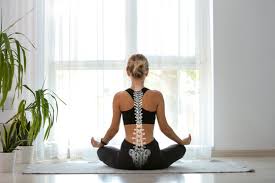
Posture is one of the most common things clients ask us about — and one of the most misunderstood.
We hear it all the time:
“I’m trying to walk by squeezing my glutes so they get stronger.”
“I’m trying to stand tall by forcing my shoulders back.”
“I stick my chest out so I don’t look slouched.”
These intentions come from a good place — wanting to move better and feel better.
But here’s the truth:
Good posture isn’t about holding one specific position.
And forcing your body into a shape doesn’t make it stronger.
In fact, these habits often create more tension, more pain, and more frustration.
Let’s break down why.
Posture isn’t a single pose you need to “hold” all day.
Your body is designed to move. Healthy posture is:
✔️ adaptable
✔️ efficient
✔️ comfortable
✔️ supported by strength and mobility
When you constantly brace or force a position — like squeezing your glutes while walking or yanking your shoulders back — your muscles get tired, stiff, and overworked.
This often leads to:
tight lower back
neck and shoulder tension
pinching at the front of the hips
reduced movement efficiency
feeling tired from “holding yourself up” all day
Your posture shouldn’t feel like hard work.
Glutes get stronger through progressive, intentional strengthening exercises, not through squeezing them while walking.
Walking with constant contraction:
reduces natural hip movement
tightens the lower back
can change your gait in unhelpful ways
makes the glutes less efficient over time
Your glutes should activate when you walk — but naturally, not forcefully.
Many people interpret this as:
➡️ chest out
➡️ ribs flared
➡️ lower back arched
➡️ shoulder blades pinched together
This position often looks upright, but it isn’t functional.
It compresses the spine, stiffens your movement, and can lead to shoulder stiffness or lower back pain.
A better cue?
Think “softly open through the chest and lengthen from your spine”, not “jam your shoulder back”.
Pushing the hips forward — even slightly — causes the lower back to overarch, tightening the lumbar muscles and shifting your weight unnaturally onto the front of your feet.
This can lead to:
lower back fatigue
hip flexor tension
poor balance mechanics
Again, it’s effortful, not efficient.
Good posture is dynamic. It changes as you move through your day.
It comes from a combination of:
Strong muscles support the body without strain — especially through the glutes, core, mid-back and deep stabilisers.
Muscles and joints need the freedom to move through their full range.
Understanding how your body feels, responds, and functions.
Your best posture is your next posture — meaning the more you move, the better you feel.
There’s no single position, cue, or trick that fixes posture instantly.
Instead, it’s about building a body that:
moves freely
shares load evenly
maintains strength where it matters
doesn’t rely on “holding” or “bracing” to stand upright
This is something we work on every day with clients through physio, Pilates, and strength training.
If You Want Better Posture, Start with Support
If you’re trying to improve your posture but feel stuck, stiff, or unsure, we’re here to help.
At Realign Physio & Co, we look at:
✔️ how you move
✔️ how your muscles are working
✔️ your habits at home and work
✔️ the balance between strength and mobility
From there, we build a personalised plan that actually works — without forcing awkward positions or squeezing muscles all day.