
Elbow and Triceps Tendinopathy: understanding and managing your pain

Elbow and triceps tendinopathy are common conditions affecting the tendons around the elbow, often seen in individuals who perform repetitive wrist, forearm, or pushing movements. Whether you’re an athlete, a manual labourer, or someone who spends long hours at a desk, these conditions can significantly impact your daily activities and performance.
What Are Elbow and Triceps Tendinopathy?
Elbow and triceps tendinopathy refer to pain and dysfunction in the tendons that attach to the elbow, typically classified as either:
• Lateral elbow tendinopathy (Tennis Elbow): Affecting the extensor tendons on the outer part of the elbow, commonly seen in racket sports, repetitive gripping, or heavy lifting.
• Medial elbow tendinopathy (Golfer’s Elbow): Involving the flexor tendons on the inner elbow, often caused by repetitive wrist flexion, throwing sports, or occupational activities.
• Triceps tendinopathy: Affecting the tendon at the back of the elbow, often caused by excessive pushing movements, weightlifting, or repetitive forceful elbow extension.
Contrary to past beliefs, these conditions are not driven by inflammation but by changes in the tendon structure due to excessive load. This is why traditional anti-inflammatory treatments like corticosteroid injections are not recommended as a long-term solution.
Recognising the Symptoms
• Localised pain on either the inside (medial), outside (lateral), or back (posterior) of the elbow.
• Increased discomfort with gripping, lifting, wrist movements, or pushing activities.
• Morning stiffness and tenderness around the elbow.
• Reduced grip strength, forearm fatigue, or difficulty with overhead or pressing movements.
• Pain that may temporarily ease during activity but worsen afterward.
Why Does It Happen?
Elbow and triceps tendinopathy are overuse injuries, meaning the tendons have been subjected to excessive or repetitive stress without adequate recovery. Some common contributing factors include:
• A sudden increase in workload (e.g., starting a new sport, lifting heavier weights, or increased manual labour).
• Poor grip technique, pushing mechanics, or improper equipment use.
• Weakness in surrounding muscles leading to increased tendon strain.
• Repetitive wrist, forearm, or elbow extension movements with inadequate recovery
Managing Elbow and Triceps Tendinopathy.
Recovery requires a combination of movement modification and progressive strengthening rather than complete rest. A physiotherapist can guide you in:
• Adjusting activities to reduce strain while maintaining function.
• Gradually strengthening the tendon through specific exercises suited to your condition.
• Addressing contributing factors such as movement patterns, grip strength, and ergonomic adjustments.
• Using symptom management strategies such as manual therapy to address muscle tension, while exercise remains the key to long-term recovery
Preventing Reinjury.
Once symptoms improve, it’s essential to gradually return to normal activities while continuing to build tendon resilience. A physiotherapist can help you implement strategies to prevent recurrence, such as:
• Ensuring a gradual return to sport, gym, or occupational tasks.
• Strengthening surrounding muscles to support the tendon.
• Improving technique and biomechanics to reduce excessive strain.
Seeking Professional Guidance
Elbow and triceps tendinopathy require a structured approach for long-term improvement. While self-management strategies can provide temporary relief, targeted rehabilitation is essential for full recovery. A physiotherapist can assess your condition, guide you through a progressive strengthening program, and help you modify activities to prevent reinjury.
For personalised advice and treatment, book an appointment with one of our physiotherapists today.

Setting Goals for Every Stage of Life
The start of a new year is the perfect opportunity to reflect and set goals. But as we journey through life, our goals naturally evolve, shaped by the priorities, challenges, and opportunities of each stage. Whether you’re in your 20s, 40s, or beyond, goal-setting can keep you focused, motivated, and aligned with your values.
In Your 20s: Exploring and Growing
Your 20s are a time for discovery and exploration. Goals at this stage might include building a career foundation, learning new skills, traveling, or establishing healthy habits. Be bold and open to change, as this is a time to experiment and figure out what truly matters to you.
In Your 30s: Laying Strong Foundations
As life becomes more settled, the 30s are often about establishing stability and working toward long-term goals. Whether it’s advancing in your career, starting a family, or focusing on financial security, this phase is about creating a solid base for the future. Health and fitness goals also take center stage, as investing in your well-being now pays off later.
In Your 40s: Refining and Rebalancing
By your 40s, you likely have a clearer sense of who you are and what you value. This is a time to refine your goals, focusing on meaningful achievements like nurturing relationships, pursuing hobbies, or giving back to your community. Maintaining physical and mental health is also crucial to ensure longevity and vitality.
In Your 50s and Beyond: Focusing on Fulfillment
Later in life, goals often shift toward personal fulfillment and leaving a legacy. Whether it’s spending quality time with loved ones, traveling, mentoring others, or staying active, this stage is about embracing what brings you the most joy and purpose.
Goal-Setting Tips for Every Stage
- Be Flexible: Life changes, and your goals should adapt along the way.
- Prioritise Health: Physical and mental well-being is a foundation for success at any age.
- Celebrate Progress: Recognise even the small wins to stay motivated.
- Stay True to Your Values: Align goals with what genuinely matters to you.
Final Thoughts
Setting goals isn’t just about checking items off a list; it’s about living intentionally and moving forward with purpose. No matter your stage of life, thoughtful goals can help you achieve balance, growth, and fulfillment.
At Realign Physio & Co, we’re here to support you every step of the way. Whether you’re starting a new fitness routine, managing health challenges, or simply looking to feel your best, our team is ready to help you make 2025 your best year yet!
Understanding ACL Injuries

An ACL (anterior cruciate ligament) tear is a serious injury that can lead to long-term knee impairments, especially if not treated correctly. A tear can occur due to sudden movements, such as twisting, pivoting, or a direct impact. The ACL is crucial for stabilising the knee joint, and its injury can often cause pain, swelling, and a loss of mobility.
Surgical vs Non-Surgical Treatment
For a complete ACL tear, treatment options typically fall into two categories: surgical reconstruction (ACLR) or non-surgical rehabilitation. ACL reconstruction is often considered the primary method for addressing a torn ACL, especially for those who participate in high-level sports or physical activities that demand knee stability. The surgery reconstructs the ligament to restore knee function.
However, recent studies have highlighted that some individuals, particularly in certain subgroups, can recover from an ACL tear without surgery and still return to elite-level sports. These individuals typically show strong knee mobility, no swelling, and good quadriceps strength. Whether or not you opt for surgery, full knee mobility and quadriceps strength are essential for recovery.
The Role of Physiotherapy in ACL Recovery
Physiotherapy is key in both surgical and non-surgical ACL recovery. For both pathways, it focuses on improving knee mobility, reducing pain, and strengthening muscles surrounding the knee—such as the quadriceps, hamstrings, and calf muscles. A well-structured physiotherapy program often begins with light non-weightbearing exercises and gradually progresses to more intense agility drills and sprints.
A well-conditioned knee before surgery can improve outcomes after surgery and facilitate a quicker return to sport. In fact, a good pre-op physiotherapy plan can set the foundation for better long-term results.
Preventing ACL Injuries
Preventing ACL injuries is crucial for athletes, especially those who participate in sports that involve sudden changes in direction, jumping, and landing. Several strategies can help reduce the risk of ACL injury:
Strengthening key muscle groups: Strong quadriceps, hamstrings, and calf muscles can help stabilise the knee and reduce strain on the ACL.
Improving balance and proprioception: Balance exercises and proprioceptive training help improve the body’s awareness of its position in space, reducing the risk of awkward landings or movements that could lead to injury.
Proper warm-up and flexibility exercises: Warming up before activity can prepare muscles and ligaments for intense movement.
Technique modification: Coaches and trainers can help athletes develop proper landing techniques, such as landing with a bent knee and avoiding locking the knee when jumping or pivoting.
Use of appropriate footwear: Wearing the correct shoes for the specific sport can help with traction and alignment, decreasing the chance of knee injuries.
Post-Surgery Recovery and Return to Sport
Recovery from ACL surgery is typically long and challenging. Most individuals can expect a recovery time of 9-14 months before they can safely return to sport. The timeline can vary based on the intensity of the rehab and the patient’s commitment to following through with physiotherapy. After 9 months post-surgery, for each additional month before returning to sport, the risk of reinjury reduces by about 30%.
It’s important to remember that the road to full recovery will require hard work and perseverance, but the results are well worth it. A structured and progressive rehab program is essential, and with the right support, you’ll be able to safely return to the activities you love.
At Realign Physio & Co, we’re committed to guiding you through every step of your ACL recovery journey. Whether you choose surgery or not, we’re here to support your progress and ensure that you earn your way back to full health.
Understanding and Improving Metabolic Health with 4 Key Markers

In today’s world, metabolic health is more important than ever. It’s about how efficiently and effectively your body processes energy, and unfortunately, we’re in the middle of a metabolic health crisis. But how can you actually measure your metabolic health? It all comes down to four key clinical markers: blood sugar levels, triglycerides, blood pressure, and waist circumference.
Each of these markers offers insights into your body’s health, and together, they paint a full picture of your metabolic state. Here, we’ll explore how these markers are measured and simple, actionable steps you can take to improve them.
1. Blood Glucose Levels
Blood glucose refers to the sugar in your bloodstream, which primarily comes from the food you eat. A healthy fasting blood glucose level typically falls between 70 and 100 mg/dL (3.9–5.6 mmol/L).
Maintaining stable blood sugar has a wide range of benefits—from improving your mood to supporting hormone balance. Diet, exercise, sleep, and stress all influence blood sugar, so it’s important to manage these aspects of your lifestyle.
How to Lower Blood Glucose Levels:
- Focus on a diet rich in fiber and low in refined sugars and simple carbs.
- Engage in regular physical activity, such as walking, which improves insulin sensitivity.2. Triglycerides
Triglycerides are a type of fat found in your blood, and high levels can increase the risk of heart disease. Ideally, your triglyceride levels should be under 150 mg/dL.
How to Lower Triglycerides:
- Reduce alcohol consumption, as it can raise triglyceride levels.
- Add omega-3-rich foods, like fatty fish, chia seeds, or supplements, to your diet.
3. Blood Pressure
Blood pressure measures the force of your blood against the walls of your arteries. A healthy blood pressure is typically below 120/80 mmHg. High blood pressure (above 130/80 mmHg) can increase the risk of heart disease and stroke.
How to Lower Blood Pressure:
- Adopt a Mediterranean or DASH diet, both of which are rich in fiber and low in sodium.
- Manage stress, get enough sleep, and reduce alcohol and salt intake for better control of blood pressure.4. Waist Circumference
Waist circumference is an indicator of visceral fat—the fat that surrounds your internal organs. For men, a healthy waist circumference is less than 94 cm, and for women, it’s less than 80 cm.
How to Lower Waist Circumference:
- Focus on consistent exercise, combining aerobic activity and strength training to reduce body fat and improve muscle mass.
- Pair regular physical activity with a balanced, nutrient-dense diet to enhance fat loss.Key Takeaways for Better Metabolic Health
Each of these four markers—blood glucose, triglycerides, blood pressure, and waist circumference—plays a crucial role in your overall metabolic health. Improving one can often lead to improvements in others, making it easier to build a healthier body with the right habits.
Focus on the Four Pillars of Metabolic Health: nutrition, exercise, sleep, and stress management. By optimizing these areas, you can improve your metabolic markers and safeguard your long-term health. Better metabolic health is within reach, and by making small, sustainable changes, you can dramatically improve your well-being.
Understanding the Different Types of Massage at Realign Physio & Co
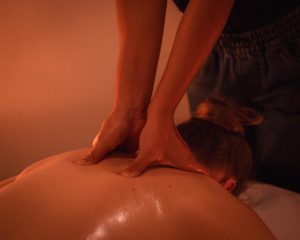 With a wide variety of massage techniques available, it can be quite overwhelming to determine which type of treatment is right for you.
Massage therapy is an important tool for recovery, injury prevention, and stress relief. At Realign Physio & Co, our massage services are based on techniques to address a variety of physical needs. Here’s an overview of the different types of massages we offer and how they can benefit you:
1. Remedial Massage
Remedial massage is designed to treat specific muscle pain, injuries, and tension. It involves a thorough assessment to identify problem areas, followed by targeted treatment using techniques like deep tissue pressure, trigger point therapy, and muscle stretching. Whether you’re dealing with back pain, tight muscles, or recovering from an injury, remedial massage focuses on resolving these issues. Though it is treatment-focused, it can also include elements of relaxation for a more comprehensive experience.
2. Sports Massage
Sports massage is ideal for athletes and active individuals who want to prevent injuries, recover faster, and optimize their physical performance. This massage uses more vigorous and dynamic techniques to target specific muscle groups and improve flexibility, circulation, and muscle recovery. Whether you’re preparing for a sporting event or recovering from one, sports massage can be a key part of your athletic routine.
3. Relaxation Massage
Relaxation massage, also known as Swedish massage, focuses on calming the body and relieving stress. It uses gentle, flowing strokes to reduce tension, improve circulation, and promote an overall sense of well-being. While this massage doesn’t target deep muscle tissues, it is highly effective for reducing stress and resetting the nervous system. For those seeking a break from the demands of everyday life, relaxation massage offers a peaceful escape. It’s worth noting that relaxation techniques can also be integrated into remedial massage sessions when needed. You can book as a Remedial Massage and just tell the therapist that you would like more a relaxation approach.
4. Lymphatic Drainage Massage
This light, rhythmic massage helps the flow of lymph fluid through the body, assisting in the removal of toxins and reducing swelling. Lymphatic drainage is particularly useful for post-surgery recovery or for those dealing with conditions like lymphedema. It helps reduce fluid retention, supports immune function, and is a key part of post-operative care for some individuals.
It’s important to note that lymphatic drainage does not break down fat, this misunderstanding can lead to the belief that lymphatic drainage has a direct effect on fat reduction, when it mainly supports detoxification and fluid balance rather than targeting fat cells themselves.
5. Premium Massage with Cupping
Cupping therapy is an ancient technique that offers several benefits due to its unique approach involving negative pressure. This technique creates suction on the skin, promoting increased blood flow. As the cups are applied, your body experiences different types of stimulation that can help alleviate muscle tension, reduce pain, and improve overall relaxation. In our premium massage with cupping, this method is combined with traditional massage techniques to provide relief for deep muscle knots and tension. The increased blood flow supports healing and muscle recovery, making it an excellent option for those suffering from chronic tightness or pain.
6. Premium Massage with Dry Needling
Dry needling involves inserting fine needles into specific muscle trigger points to relieve pain and release tension. In combination with massage, dry needling can be highly effective for treating deep muscle tightness and chronic pain. This method stimulates the body’s natural healing process, making it a powerful option for those who experience recurring muscle discomfort or mobility issues.
At Realign Physio & Co, all of our massage therapies are designed to support your health and well-being using techniques to support your individual needs, ensuring you receive the right treatment for your body.
The Importance of Regular Exercise for Strength and Falls Prevention in the older adults.

Regular exercise is crucial for individuals of all ages, but it becomes even more essential as we grow older. Exercise plays a significant role in maintaining strength, balance, and overall well-being. In this blog post, we will explore the importance of regular exercise for strength and falls prevention.
Maintaining Muscle Strength:
As we age, we naturally lose muscle mass and strength, leading to decreased mobility and increased risk of falls. Regular exercise, particularly strength training, can help counteract this decline by building and maintaining muscle mass. Strength exercises such as lifting weights, resistance training, or using resistance bands can significantly improve muscle strength and overall functional abilities in older adults.
Improving Balance and Stability:
Loss of balance is a common concern among the older adults, often leading to falls and injuries. Regular exercise that includes balance training can improve stability and reduce the risk of falling. Specific balance exercises can enhance muscle control and coordination, preventing falls and injuries.
Bone Health:
Osteoporosis, a condition characterised by reduced bone density and increased susceptibility to fractures, is a significant concern for many older adults. Weight-bearing exercises can help maintain bone density and reduce the risk of fractures. It’s crucial to incorporate weight-bearing exercises into an exercise routine to support bone health.
Conclusion:
Regular exercise is a powerful tool for maintaining strength, balance, and overall well-being in older adults. By incorporating a variety of exercises into their routine, older adults can reduce the risk of falls, improve muscle strength, enhance bone health. It’s important for seniors to consult with healthcare professionals before starting any exercise program and tailor their routine to their individual needs and capabilities. Remember, it’s never too late to start gaining the numerous benefits of regular exercise!

Navigating Hip and Knee Replacements: Is Surgery the Path for You?

Exploring Paths: From Pain to Possibility
Many individuals find themselves at a crossroads, wondering if surgery is the right path. Chronic pain, stiffness, and limited mobility can make everyday activities challenging. Conditions such as osteoarthritis, rheumatoid arthritis, and joint injuries often lead people to consider hip or knee replacement surgery. This procedure involves replacing the joint surfaces with artificial components to restore function and alleviate pain. However, before deciding on surgery, exploring conservative management options can also significantly improve quality of life. Everyone’s circumstances and goals are different, so either path can lead to positive results. Making an informed decision involves considering advice from your healthcare team, including our physiotherapists and exercise physiologists, as well as discussions with your doctors.
Conservative Management and Outcomes
Before opting for surgery, many people find that conservative management strategies, including physiotherapy and exercise physiology, can provide significant relief. Research shows that exercise is a first-line treatment for managing arthritis, helping to reduce pain, improve joint function, and enhance overall quality of life.
Conservative Management focuses on:
• Strengthening Muscles: Building the muscles around the joint to provide better support and stability.
• Improving Flexibility: Enhancing the range of motion to alleviate stiffness and improve mobility.
• Pain Management: Employing techniques such as manual therapy to manage discomfort effectively.
Outcomes of Conservative Management can be quite positive. Many individuals experience reduced pain, improved mobility, and a better quality of life without the need for surgery. Our physiotherapists and exercise physiologists will guide you in performing exercises correctly and safely, ensuring you don’t overdo it. This approach not only helps you make a more informed decision about surgery but also enhances recovery and long-term outcomes if surgery is eventually needed.
You’ve Decided on Surgery: How Physiotherapy Can Help
Once you’ve chosen surgery, physiotherapy becomes crucial for both preparing your body and ensuring a smooth recovery. Prehabilitation and post-surgery physiotherapy are essential components in achieving optimal outcomes.
Prehabilitation, or pre-surgery physiotherapy, typically lasts 4-6 weeks and focuses on enhancing strength, flexibility, and cardiovascular fitness. This approach helps set realistic recovery goals and prepares your body for the upcoming surgery.
Post-surgery physiotherapy is essential for a successful recovery. It involves a structured rehabilitation plan designed to support proper healing and restore function. Our physiotherapists will work with you through:
• Week 1-2: Emphasis on gait retraining, increasing range of motion, regaining strength, and managing pain.
• Week 3-6: Continuing to improve range of motion, phasing out mobility devices if needed, building strength, and potentially resuming work or driving depending on your progress.
• Week 7-12: Engaging in lighter exercises like walking, swimming, or cycling initially, then discussing specific goals such as returning to gardening or low-impact sports like golf or dance.
By engaging in a comprehensive physiotherapy program before and after surgery, you can work towards specific goals and activities you enjoy. Our team will support you throughout, helping you regain mobility and enhance your quality of life.
Common Challenges
• Pain and Swelling: Early stages require careful management.
• Adhering to Rehab Protocols: Consistency is key for successful outcomes.
• Emotional and Mental Health: Anxiety and mood changes are normal; support is available.
Conclusion
Choosing hip or knee replacement surgery involves careful consideration of both conservative and surgical options. Our team works together seamlessly to support you throughout this journey. We combine our expertise to enhance your pre-surgery preparation and ensure a smooth recovery, addressing challenges and helping you achieve the best possible outcomes. With our support, you receive comprehensive care that helps you regain mobility, manage pain, and return to the activities you love. We’re here to guide and support you every step of the way, ensuring you enjoy a more active and fulfilling life.
Ready to Take Action? If you’re considering hip or knee replacement, or want to explore conservative management options, our clinic is here to help. Contact us today to begin your path to improved mobility and a healthier, more vibrant lifestyle.
Pregnancy Pilates

Pregnancy is a remarkable journey filled with anticipation, joy, and significant physical changes. As your body adapts to support new life, maintaining your health and well-being becomes essential.
Did you know that Australian health guidelines suggest pregnant women should engage in 2.5 to 5 hours of exercise per week, including cardio, muscle strengthening, and pelvic floor exercises every day? Are you moving your body enough for a healthy pregnancy?
Pilates (studio) offers numerous scientifically-backed benefits and it is a gentle, yet effective method in a safe environment with instructors guiding every step. Pilates exercises can be modified to suit the changing needs and abilities of pregnant women, making it a versatile and adaptable form of exercise tailored to specific trimesters.
Benefits of Pilates for Pregnant Women:
- Increase core strength and stability:
Pilates emphasizes on core strength, which supports the spine, improves posture, alleviates lower back pain, and can also aid in labor and delivery. Strong core muscles also help decrease the progression of abdominal diastasis and can help at the moment of delivery.
Improve pelvic floor function:
Pilates includes exercises targeting the pelvic floor muscles, supporting the bladder, uterus, and bowels. Strengthening these muscles can reduce the risk of urinary incontinence during and after pregnancy.
Improve mobility and balance:
Pregnancy hormones loosen ligaments, increasing susceptibility to injury. Pilates exercises promote flexibility whilst improving stability, thus reducing the risk of strains or injuries and managing changes in posture from the growing abdomen.
Better mental health and breath control:
Engaging in Pilates can have positive effects on psychological well-being by reducing stress, anxiety, and improving mood. It incorporates breathing techniques beneficial during pregnancy and labor, helps managing stress and maintaining oxygen flow to both mother and baby.
While Pilates offers significant benefits, there are important considerations before starting. Particularly if you were sedentary before pregnancy, begin slowly and gradually increase your activity. Consider any risk factors; individual responses to exercise can vary. Consult your healthcare provider before starting any new exercise program, including Pilates. Avoid exercise if you have certain heart or lung diseases, cervical cerclage, placenta previa after 26 weeks, preeclampsia, or severe anemia.
After medical approval for exercise, find a trustworthy instructor and discuss your exercise history, injuries, and any concerns to ensure comfort and safety.
Tips for each Trimester:
First Trimester – Low energy, fatigue, nauseous. Don’t push your limits!
That’s time to educate your movements and breathing techniques, pelvic floor awareness and maintaining your existing fitness levels.
Second Trimester– Most energetic and not many limitations yet.
Your body is changing, but you can still keep your body in movement easily, so it’s time to get stronger! Be aware of balance and alignment as well.
Third Trimester– Tiredness, anxiety and weight gain.
Keep following the current exercise program, but respecting the limitations from the growing belly, tiredness and reduced mobility. Communicate with your instructor about discomforts like back or hip pain.
Postpartum– Follow your health care provider’s advice.
Typically, you can resume exercises around 6 weeks after delivery, but your body takes between 6 months to 1 year to get back to normal.
In conclusion, while Pilates can be safe and effective during pregnancy, it’s crucial to approach it cautiously, seek guidance from a qualified instructor, and ensure it meets your specific health needs and pregnancy status.
Plantar Fasciitis

What is Plantar Fasciitis?
The plantar fascia is a thick, fibrous band of tissue located on the bottom of your foot. It extends from the heel to the base of the toes. This tissue plays a crucial role in stabilising and supporting your foot as you move through daily activities. However, when the plantar fascia becomes overloaded and strained, it can become inflamed and injured, leading to pain and discomfort. This condition is known as plantar fasciitis.
Causes
The primary cause of plantar fasciitis is a change in how you load your foot. Several factors can increase your risk of developing this condition, including:
Overuse and over-training
- Inadequate or worn-out footwear
- Poor strength, mobility, and flexibility in the lower limbs
- Muscle imbalances and dysfunction
- Weight gain and a sedentary lifestyle
- Rigid feet with poor mobility and flexibility, which are inadequate to absorb shock
- Leg length differences
- Abnormal walking and running patterns that place extra stress on the heel bone and ligaments
- Careers and hobbies that involve prolonged periods of standing
- Age; as you get older, your tissues become less elastic
When high loads are repeatedly placed on the heel bone and surrounding soft tissues, they can become fatigued and lose their ability to absorb shock effectively, leading to plantar fasciitis.
Symptoms
Plantar fasciitis typically begins with mild pain at the heel bone, often described as a stone bruise. This pain is usually felt after (not during) exercise. It is most pronounced right after getting up in the morning or after a period of sitting. Without treatment, plantar fasciitis can become a chronic condition, potentially leading to reduced activity levels and further issues with the foot, knee, hip, and back, as the condition can alter your walking pattern.
Treatment
Managing plantar fasciitis involves a combination of exercises, physiotherapy, and massage to alleviate pain and promote healing. Here are some effective treatment methods:
- Stretching Exercises: Regular stretching of the calf muscles and the plantar fascia can help reduce tension and promote flexibility. Try stretching exercises such as calf stretches, towel stretches, and toe stretches.
- Strengthening Exercises: Strengthening the muscles of the foot and lower leg can improve stability and reduce strain on the plantar fascia. Exercises like toe curls, picking up marbles with your toes, and resistance band exercises are beneficial.
- Physiotherapy: A physiotherapist can design a personalised exercise program, taping, and manual therapy to reduce pain and inflammation.
- Massage: Regular massage can help increase blood flow to the affected area, reduce muscle tension, and alleviate pain. Techniques such as deep tissue massage and trigger point therapy are particularly effective.
- Footwear: Wearing supportive shoes with good arch support and cushioning can help alleviate symptoms. In some cases, orthotic inserts may also provide additional support and reduce strain on the plantar fascia.
- Rest and Ice: Resting the affected foot and applying ice can help reduce inflammation and pain. It’s important to avoid activities that exacerbate the condition.
By understanding the causes, recognising the symptoms, and following a comprehensive treatment plan, you can effectively manage plantar fasciitis and maintain your active lifestyle.

Unlock the Mystery of Neck Pain: Your Guide to ReliefStrength x Tension
Tight Muscles Might Actually Be Weak Muscles
There is a common belief that when a muscle is tight, that it needs to be stretched and strengthening that muscle may aggravate the issue. Let’s explore why this isn’t the case and what should be done instead.
What Really Causes Muscle Tightness?
People often think tight muscles mean the muscle is too strong and just needs stretching to loosen up. But sometimes, tightness means the muscle is weak and is trying hard to protect itself and nearby parts—like joints and ligaments—from getting hurt. This protective tightening can happen when there’s a risk of injury, or when an injury has already happened, and the muscle is trying to guard against further harm.
The False Belief: More Stretching, Less Strengthening
There is currently an existing belief that “tight muscle = needs to stretch”, which often leads to neglect in strengthening. While stretching does play a role in maintaining flexibility, it does not address the underlying weakness. Strengthening, on the other hand, teaches the muscle to function correctly through its full range of motion and to tolerate load effectively, which can reduce unnecessary tightness.
Why Strengthening Should Not Be Overlooked
Strengthening weak muscles can:
• Improve Muscle Balance: It takes the burden off overly tight muscles, helping them relax naturally.
• Enhance Flexibility and Range of Motion: Strong muscles can handle greater stretches and activity, improving overall functionality.
• Prevent Injury: Strong muscles support joints and protect the body, reducing the risk of strains, sprains, and other injuries.
Exercises to Consider
Here are a few exercises designed to strengthen muscles through their full range of motion. Remember, the goal is controlled movement, focusing on both strength and flexibility:
• Romanian Deadlifts: Excellent for strengthening the entire posterior chain, including hamstrings and lower back.
• Squats: Full-depth squats promote strength and mobility in the hips, knees, and ankles.
• Lunges: These target multiple muscle groups in the legs and improve hip flexibility.
• Dumbbell Shoulder Press: Enhances shoulder stability and range by strengthening through the full movement.
• Push Ups: Great for building upper body strength and core stability while engaging multiple muscle groups.
Always Consult a Physiotherapist or Exercise Physiologist:
Before starting any exercise program, especially if you have pain, past injuries, or specific health conditions, it’s important to speak with a physiotherapist or exercise physiologist. They’ll assess your needs and ensure your exercise plan is safe and tailored to your individual requirements, including disease management if needed. This step helps prevent injuries and maximizes the benefits of exercise for your overall health.
Conclusion
Tight muscles often need more than just stretching; they need to be strengthened as well so that the muscle will get stronger through a larger range of motion. Understanding and addressing muscle weakness can lead to better flexibility, fewer injuries, and improved overall health. Take the first step towards improving your muscle health today by consulting with one of our physiotherapists or exercise physiologist to develop an exercise plan design for your needs.