Muscle Scraping Therapy: What Is It and Does It Really Work?
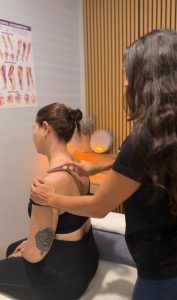
If you’ve recently had a sports massage or seen one of our therapists using a smooth stainless steel tool during treatment, you may have wondered what it was for.
This technique is called Instrument-Assisted Soft Tissue Mobilisation (IASTM), more commonly known as muscle scraping. It’s an evidence-based treatment used by physiotherapists and massage therapists to help reduce pain, improve movement, and support recovery from injury.
At Realign Physio & Co, our massage therapist incorporates muscle scraping into sports massage treatments whenever it’s clinically appropriate. It can also be included in remedial massage sessions if requested and recommended for your condition.
What Is Muscle Scraping?
Despite its name, muscle scraping doesn’t actually “scrape” your muscles. The treatment uses specially designed stainless steel instruments that gently glide over the skin using massage oil or balm.
The therapist uses the tools to assess and treat areas where the muscles and connective tissues (fascia) feel tight, restricted, or irritated. The shape of the instruments allows for more precise pressure than hands alone, making it easier to target specific areas of tension.
You may notice some redness after treatment. This is a normal response caused by increased circulation to the area and usually settles within a day or two.
How Does It Work?
For many years, people believed muscle scraping worked by “breaking up scar tissue” or “releasing fascia.” While these explanations are still common online, current research suggests the benefits are more complex.
Muscle scraping appears to work by:
- Stimulating the nervous system, helping reduce pain sensitivity.
- Improving the way muscles and connective tissues move and glide over one another.
- Encouraging healthy tissue remodelling during the healing process.
- Increasing local blood flow for a short period after treatment.
- Improving range of motion and flexibility.
Rather than physically breaking apart tissue, the technique helps your body respond to pain and movement more effectively.
What Are the Benefits?
Research has shown that IASTM may provide several benefits when used as part of an overall treatment plan.
Pain Relief
Many people experience a reduction in muscle and joint pain after treatment. Studies have reported positive outcomes for conditions such as:
- Neck and shoulder pain
- Tennis elbow
- Plantar fasciitis
- Achilles tendinopathy
- General muscle tightness and soreness
The pain relief is thought to occur through changes in the nervous system that reduce pain sensitivity.
Improved Flexibility and Range of Motion
One of the strongest areas of evidence is improved flexibility.
Muscle scraping may help increase movement in tight muscles and joints, including the calves, hamstrings, hips, shoulders, and upper back. This can be particularly beneficial before returning to sport or exercise.
Faster Recovery After Exercise
Athletes often use muscle scraping as part of their recovery routine.
While it doesn’t magically repair muscles faster, it may help reduce feelings of stiffness, improve mobility, and prepare the body for the next training session.
Support During Rehabilitation
Muscle scraping is often used alongside strengthening exercises and physiotherapy for tendon-related injuries, including:
- Achilles tendinopathy
- Tennis elbow
- Golfer’s elbow
- Patellar tendinopathy
It’s important to remember that the best outcomes come from combining hands-on treatment with an appropriate exercise program.
Better Soft Tissue Mobility
People who spend long hours sitting, perform repetitive work, or train regularly can develop areas of muscle tightness that limit comfortable movement.
Muscle scraping can help improve how these tissues move, making everyday activities and exercise feel easier.
Does It Hurt?
Treatment should never feel unbearable.
Some areas may be tender, particularly if the muscles are already tight or irritated, but your therapist will always adjust the pressure to suit your comfort.
After treatment, it’s common to experience mild tenderness similar to what you might feel after a deep tissue massage. Some people also develop temporary redness or light bruising, which usually settles within a few days.
Is Muscle Scraping Right for Everyone?
Muscle scraping isn’t suitable for every condition or every person. Your therapist will assess your symptoms, medical history, and goals before deciding whether it’s an appropriate treatment.
It may be recommended if you’re experiencing:
- Muscle tightness
- Sports-related aches and pains
- Reduced flexibility
- Tendon pain
- Ongoing stiffness affecting movement
Experience the Difference
At Realign Physio & Co, we believe every treatment should be tailored to the individual. Muscle scraping is just one of the many techniques we use to help reduce pain, improve movement, and support long-term recovery.
If you’re booking a sports massage, your therapist may incorporate muscle scraping as part of your treatment when it’s clinically appropriate. If you’re coming in for a remedial massage, simply let us know if you’re interested, and we’ll discuss whether it’s suitable for your needs.
If you’re curious about muscle scraping or wondering whether it could help you move and feel better, we’d be happy to answer your questions at your next appointment.
Book your massage today and discover how evidence-based hands-on therapy can help you recover, move more freely, and perform at your best.